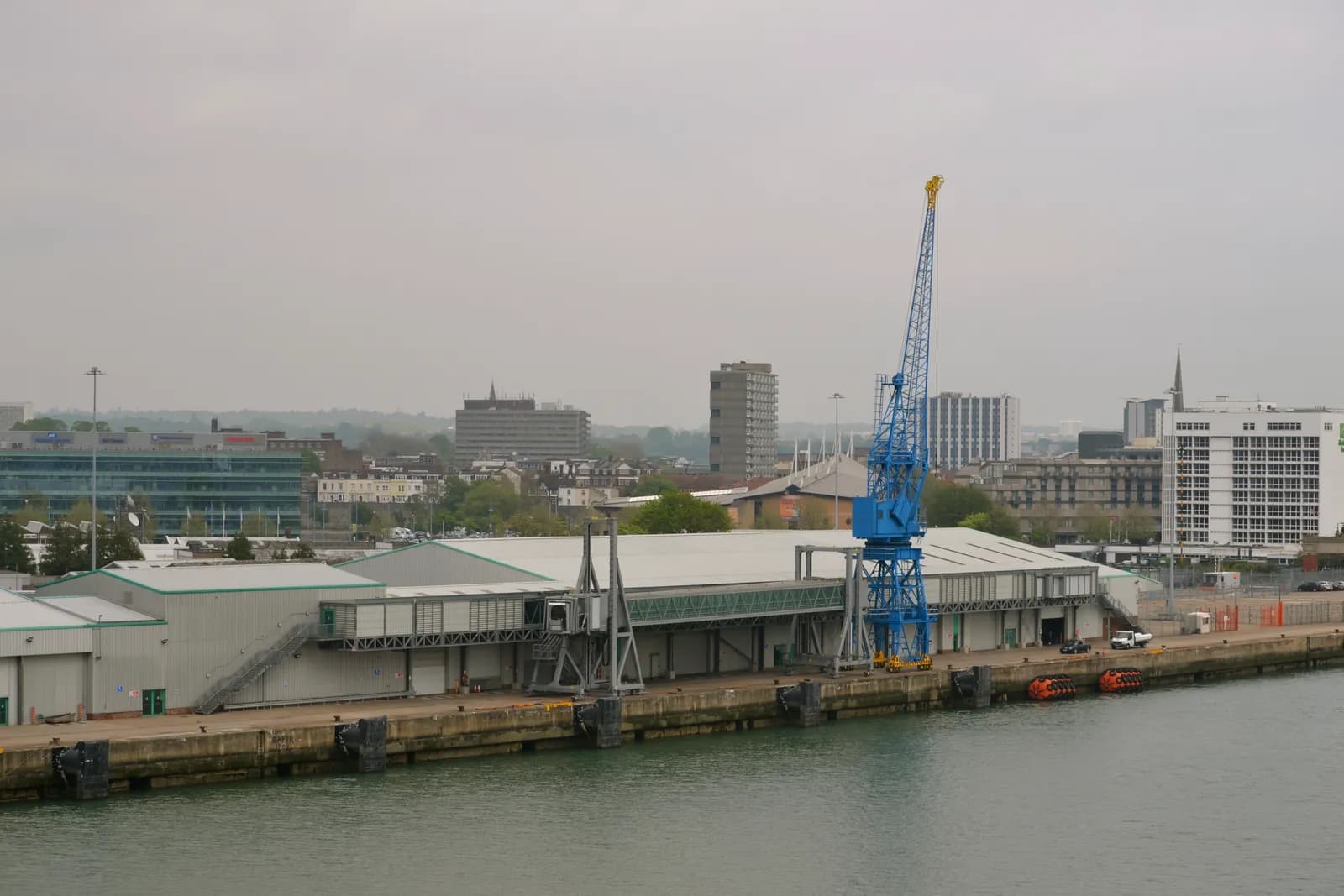
Southampton has long served as Britain's premier cruise port, with its extensive dock facilities handling hundreds of cruise calls each year. The city's strategic location on the south coast, combined with its deep-water berths and excellent transport links, has established it as the UK's principal departure point for international cruise holidays.
A Port with Multiple Terminals
The port operates several dedicated cruise terminals catering to different vessels and cruise lines. The City Cruise Terminal at Berth 101 in the Western Docks serves as one of the primary facilities, whilst the Horizon Cruise Terminal provides modern passenger handling capabilities. The Mayflower Cruise Terminal and the QE2 Cruise Terminal at the Eastern Docks complete the suite of facilities that enable Southampton to host multiple large vessels simultaneously.
These terminals collectively process millions of passengers annually, making cruise tourism a significant contributor to the local economy. The infrastructure supports vessels from major cruise lines including P&O Cruises, Cunard, and Royal Caribbean, among others.
Historical Maritime Connections
Southampton's relationship with ocean liners extends back over a century. The city's SeaCity Museum houses artifacts and exhibitions documenting this maritime heritage, including collections related to the Titanic, which departed from Southampton on its ill-fated maiden voyage in April 1912. Many of the crew members who perished were Southampton residents, and the city maintains memorials to those lost.
The medieval walls and Bargate, which formed the northern entrance to the old walled town, stand as reminders of Southampton's long history as a fortified port settlement. These structures now exist alongside modern developments such as Westquay Shopping Centre, which combines retail space with proximity to the historic Old Town.
Economic Impact on the City
The cruise industry generates substantial employment in Southampton and the surrounding region. Jobs range from port operations and logistics to hospitality, retail, and transport services. Local businesses, including those at Westquay and in the city centre, benefit from passenger spending before and after cruises.
The industry also supports ancillary services such as coach companies, hotels, and restaurants that cater to cruise passengers. This economic activity contributes to the city's position as a major commercial centre on the south coast.
Local Relevance
For Southampton residents, the cruise industry affects daily life in various ways. The port's success has funded improvements to city infrastructure, including road networks and public spaces. The presence of large cruise ships in the docks has become a familiar sight, and the maritime atmosphere contributes to the city's distinct character.
The industry's growth has also influenced local planning decisions, with developments such as the Ocean Village area transforming former dockland into residential and leisure spaces whilst maintaining maritime connections.
What Is Confirmed
Southampton operates multiple cruise terminals including City Cruise Terminal (Berth 101), Horizon Cruise Terminal, Mayflower Cruise Terminal, and QE2 Cruise Terminal. The city has historically been a departure point for transatlantic liners including the Titanic. The SeaCity Museum contains maritime artifacts and Titanic-related collections.
What Is Unclear
Specific current passenger numbers and economic figures for 2024-2025 were not independently verified. The exact employment statistics directly attributable to cruise operations require confirmation from official sources.